
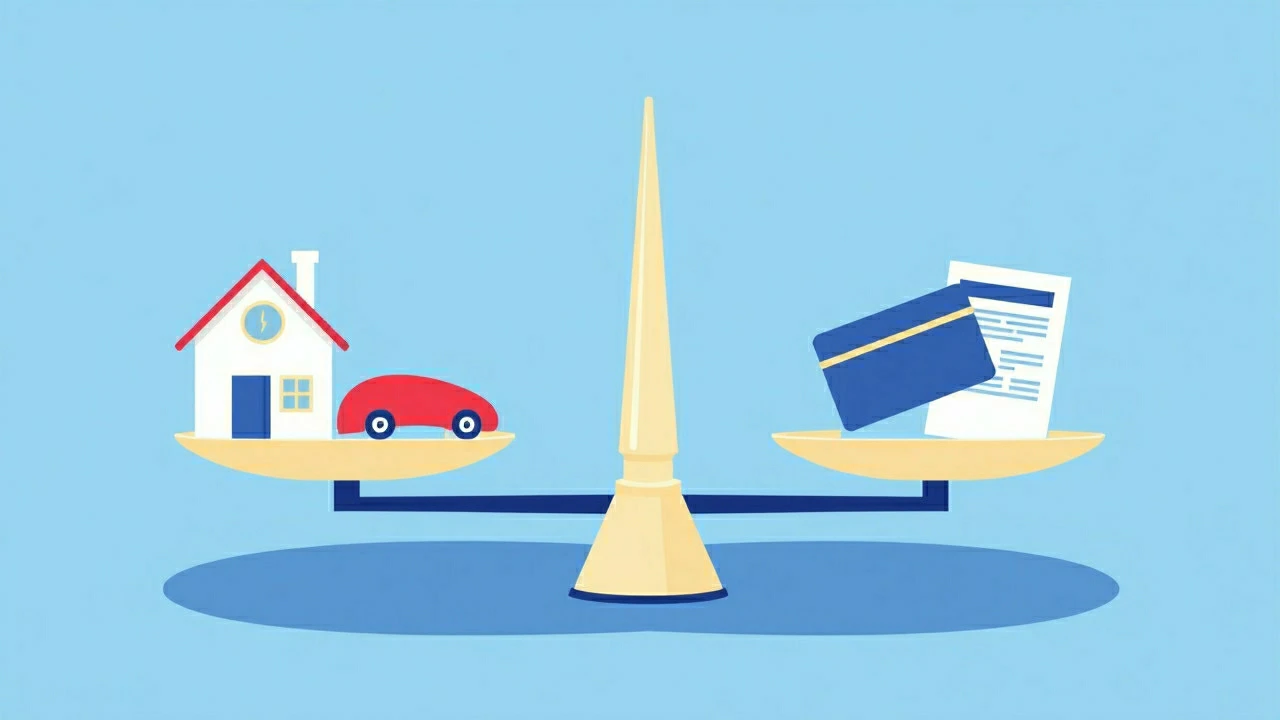
Navigating the world of borrowing can be complex, especially when trying to distinguish between secured and unsecured loans. Both types serve different financial needs and come with unique advantages and risks. Understanding these differences is crucial for making informed borrowing decisions.
This guide will explore the key distinctions, benefits, drawbacks, and practical considerations associated with secured and unsecured loans.
Quick Navigations
What Are Secured Loans?
Secured loans are backed by collateral, which reduces the lender’s risk. Collateral can be any asset of value that the borrower pledges to secure the loan.
- Collateral Requirement: Borrowers must offer an asset such as a house, car, or savings account.
- Lower Interest Rates: Because they are secured, these loans typically have lower interest rates.
- Loan Amounts: Usually larger due to the collateral backing.
- Approval Process: Often faster but requires appraisal or valuation of collateral.
- Risk for Borrowers: Failure to repay can lead to asset foreclosure or repossession.
- Common Examples: Mortgage loans, auto loans, home equity loans.
- Usage Flexibility: Suitable for large purchases or significant investments.
Collateral provides security for lenders, which often translates into more favorable terms for borrowers. However, it also means risking your assets if you default on payments.
Secured loans are ideal when you need substantial financing at lower costs but must be prepared to lose your collateral if repayment fails. They are beneficial for long-term investments like buying a home or vehicle.
Helpful Examples:
- Home mortgage: The house serves as collateral.
- Car loan: The vehicle secures the loan.
- Home equity line of credit (HELOC): Uses home equity as security.
In summary, secured loans balance lower interest rates with higher stakes on assets. Understanding your capacity to repay is vital before pledging collateral.
What Are Unsecured Loans?
Unsecured loans do not require collateral; approval relies mainly on creditworthiness. These loans are based on trust that the borrower will repay without needing assets as backup.
- No Collateral Needed: Borrowers aren’t required to pledge assets.
- Higher Interest Rates: Due to increased lender risk.
- Loan Limits: Typically smaller than secured loans because of higher risk.
- Approval Criteria: Focused on credit score, income, and financial history.
- Risk for Borrowers: Defaulting can damage credit scores; lenders may pursue legal action.
- Common Examples: Personal loans, credit cards, student loans.
- Flexibility in Use: Can be used for various purposes like debt consolidation or emergency expenses.
Without collateral, lenders rely heavily on your ability to demonstrate financial stability. This often results in stricter qualification criteria but offers quick access to funds without risking assets.
Unsecured loans appeal to those who prefer not to put assets at risk or lack sufficient collateral. They are suitable for short-term needs or smaller amounts where rapid approval is essential.
Helpful Examples:
- Personal installment loans for debt consolidation
- Credit cards for everyday purchases
- Student loans for education expenses
While unsecured options provide convenience and flexibility, borrowers should consider their ability to handle higher interest rates and ensure timely repayments to maintain good credit standing.
Key Differences Between Secured and Unsecured Loans
Understanding the core distinctions helps determine which loan type aligns best with your financial goals.
- Collateral Requirement
- Secured loans require assets as security.
- Unsecured loans do not require collateral.
- Interest Rates
- Secured loans generally have lower rates due to reduced risk.
- Unsecured loans usually carry higher rates because they pose more risk to lenders.
- Loan Amounts
- Larger amounts are typically available with secured loans.
- Smaller amounts are common with unsecured options.
- Approval Speed & Process
- Secured loans may take longer due to asset appraisal.
- Unsecured loans can often be approved quickly online or through minimal paperwork.
- Risk Factors
- Collateral loss in case of default with secured loans.
- Damage to credit score or legal action in case of default on unsecured debts.
The main difference lies in security—collateral provides assurance for lenders but increases potential risk for borrowers who fail repayment. Conversely, unsecured lending relies solely on trust and creditworthiness but involves higher costs for borrowers.
Recognizing these differences allows consumers to evaluate their financial situation accurately. For instance, opting for a secured loan might make sense when seeking large funding at low-interest rates but requires careful consideration of asset risks.
Helpful Recommendations:
- Use secured loans for major investments like property or vehicles.
- Choose unsecured options for smaller personal needs or emergencies if you have good credit.
Both types have strategic uses depending on individual circumstances. Carefully assess your ability to repay before choosing the appropriate loan type.
Benefits and Drawbacks of Secured Loans
Secured loans offer notable advantages but also come with certain disadvantages worth considering before borrowing.
Benefits:
- Lower interest rates save money over time.
- Larger loan amounts meet significant financial needs effectively.
- Longer repayment terms reduce monthly payment burdens.
- Asset-backed nature simplifies approval process if you have good collateral.
- Suitable for long-term investments like property purchase or renovations.
Drawbacks:
- Risk of losing pledged assets if payments aren’t maintained.
- Longer approval times due to asset appraisal processes.
- Limited flexibility—assets cannot be used elsewhere while pledged as collateral.
- Potential legal complications if default occurs.
- Not ideal for short-term borrowing needs without substantial assets involved.
Note: While secure borrowing offers cost benefits and larger funds, it demands responsibility regarding pledged assets’ security.
Benefits and Drawbacks of Unsecured Loans
Unsecured lending offers flexibility and quick access but comes with its own set of limitations that borrowers should understand thoroughly.
Benefits:
- No need to pledge assets—less risky overall.
- Faster approval process—ideal during emergencies.
- Greater flexibility in how funds are used (e.g., travel, education).
- Easier application process—minimal documentation needed compared to secured options.
- Maintains ownership of your assets regardless of repayment status unless default occurs.
Drawbacks:
- Higher interest rates increase total repayment costs over time.
- Smaller maximum loan limits restrict use cases.
- Strict qualification criteria—credit score plays a crucial role.
- Shorter repayment periods may lead to higher monthly payments.
- Defaulting impacts credit scores significantly.
Note: While unsecured options provide speed and convenience without risking personal property, they tend to be more expensive overall due to higher interest charges.
Practical Guidance When Choosing Between Secured & Unsecured Loans
Making an informed decision requires understanding your specific needs alongside your financial profile.
- Evaluate Your Assets & Risk Tolerance:
- Do you own valuable property? Could you afford risking it?
- Are you comfortable using your home or car as collateral?
- Assess Loan Purpose & Size:
- Is this a large investment? A secured loan might be better.
- Do you need quick cash? An unsecured option could suffice.
- Review Your Credit Profile:
- Strong credit improves chances for unsecured approval at better rates.
- Consider Repayment Terms & Costs:
- Can you handle potentially higher monthly payments?
- Think About Future Financial Impact:
- Will defaulting jeopardize future borrowing ability?
By analyzing these factors carefully, you’ll identify which financing method aligns best with your circumstances—a critical step toward responsible borrowing and financial health preservation.
Final Thoughts on Secured vs Unsecured Loans
Understanding the fundamental differences between secured and unsecured loans empowers consumers to make smarter choices tailored to their financial situations. Secured loans offer affordability through lower interest rates but involve asset risk; meanwhile, unsecured options provide ease and speed without asset commitment but come at higher costs.
Weighing factors like loan purpose, amount needed, repayment capacity, and asset security helps determine optimal borrowing strategies. Proper knowledge ensures that borrowers select suitable products aligned with both immediate needs and long-term financial stability while minimizing risks associated with each type of loan.
Frequently Asked Questions (FAQs)
Q1: What is the main difference between secured and unsecured loans?
The primary difference is that secured loans require collateral backing them up, whereas unsecured loans do not involve any pledged assets.
Q2: Are secured loans easier or harder to get than unsecured ones?
Generally easier if you have valuable collateral since it reduces lender risk; however, approval depends on other factors like credit score too.
Q3: Can I lose my property if I default on an unsecured loan?
No; since unsecured loans don’t involve collateral, defaulting typically impacts your credit score rather than resulting in asset repossession.
Q4: Which type of loan has lower interest rates?
Secured loans usually feature lower interest rates because they’re backed by collateral reducing lender risk.
Q5: Is it safer to choose an unsecured loan over a secured one?
It depends—unsecured avoids risking assets but comes with higher costs; securing assets may be more affordable but involves potential loss if defaults occur.