
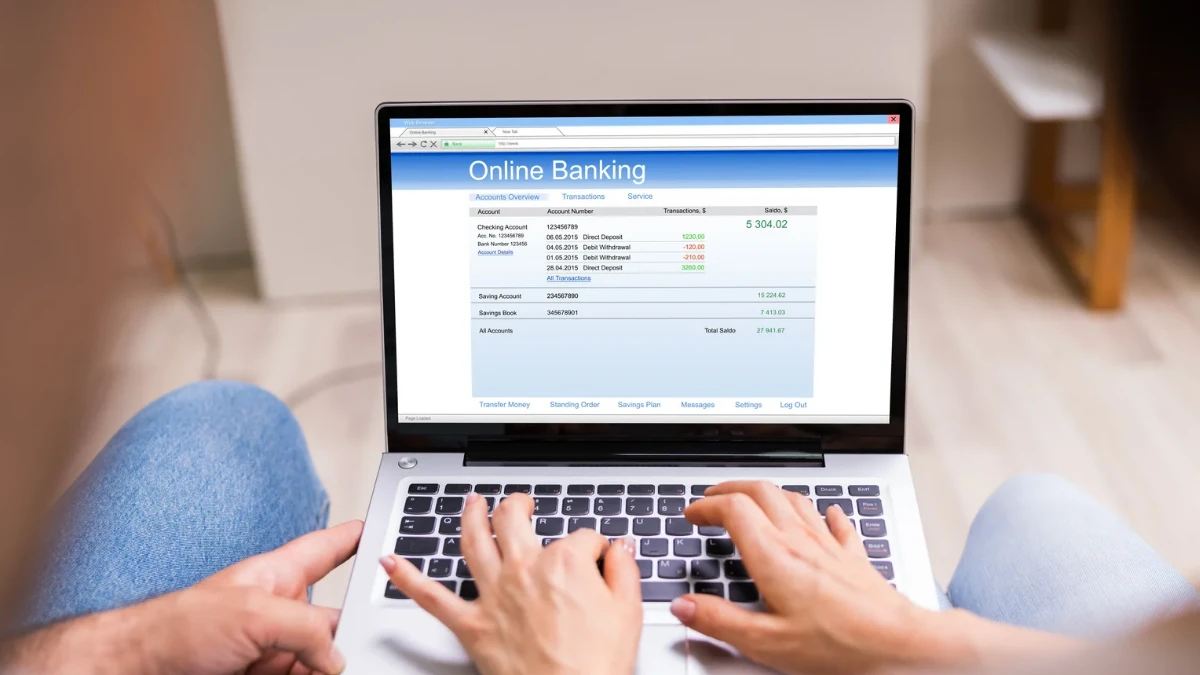
Deciding whether to have a joint bank accounts with your partner is a significant financial decision that can impact your relationship and financial stability. This choice involves weighing the benefits of transparency and simplicity against potential risks related to independence and financial disagreements.
In this comprehensive guide, we will explore the key pros and cons of combining bank accounts with your partner to help you make an informed decision that aligns with your values and circumstances.
Quick Navigations
The Benefits of Joint Bank Account For Couples
Combining bank accounts offers several potential advantages for couples. It can streamline finances, promote transparency, and foster a sense of partnership.
- Simplifies money management: One account makes tracking expenses straightforward.
- Enhances transparency: Both partners see all transactions, promoting honesty.
- Eases bill payments: Paying shared bills from a single account reduces confusion.
- Strengthens relationship: Shared finances can build trust and teamwork.
- Facilitates savings goals: Easier to set and reach joint savings targets.
- Reduces banking fees: Fewer accounts may mean lower maintenance costs.
- Supports emergency preparedness: Quick access to funds during crises.
While joint accounts has its benefits, it’s essential to consider the potential drawbacks as well.
The Drawbacks of Joint Bank Account For Couples
Blending finances isn’t without risks. There are possible challenges that could strain the relationship or complicate money management.
- Loss of financial independence: Reduced control over personal spending.
- Potential disagreements: Disputes over spending habits or budget priorities.
- Complicated separation: Difficulties if the relationship ends.
- Privacy concerns: Limited ability to keep financial matters private.
- Unequal contributions: Imbalance in income or expenses can cause tension.
- Impact on credit scores: Joint accounts may affect individual credit if mismanaged.
- Financial liability: Each partner is responsible for the entire account balance.
Understanding these issues helps prepare couples for potential conflicts or complications.
Factors to Consider Before Opening a Joint Account
Deciding whether to open a joint bank account with your partner depends on your personal circumstances.
- Relationship stability: Longer-term commitments may favor joint accounts.
- Financial habits: Compatibility in spending and saving behaviors matters.
- Income disparities: Significant income differences require clear agreements.
- Goals alignment: Shared financial goals support merging accounts.
- Trust level: Mutual trust is crucial for joint account success.
- Legal considerations: Understand the legal implications of joint ownership.
- Communication skills: Open dialogue about finances is vital.
Evaluating these factors ensures that both partners are comfortable with their financial arrangement.
How to Decide if a Joint Bank Account Is Right for You
The decision should be tailored to your unique relationship dynamics and financial situation.
- Have honest conversations about money habits, goals, and concerns.
- Consider starting with a joint account for shared expenses while maintaining separate accounts for personal spending.
- Set clear rules about how funds will be managed and responsibilities divided.
- Regularly review your financial arrangement to ensure it works for both partners.
- Consult a financial advisor if needed for personalized advice.
Making an informed choice involves understanding your comfort levels, expectations, and long-term plans.
Practical Steps for Managing a Joint Bank Account Successfully
If you decide that a joint bank account suits your relationship, follow these steps:
- Choose a reputable bank with favorable terms and low fees.
- Determine the amount each partner will contribute regularly based on income.
- Establish a budget that covers shared expenses and personal allowances.
- Set up automatic transfers to maintain consistency in contributions.
- Keep open communication about spending patterns and adjustments needed.
- Use budgeting tools or apps for transparency and tracking progress.
- Revisit your arrangement periodically to adapt to life changes.
Implementing these steps fosters clarity, fairness, and trust in managing combined finances.
Final Thoughts
A joint bank account can offer many benefits, including simplicity, transparency, and a stronger partnership. However, it also comes with risks, such as loss of financial independence or potential conflicts.
Each couple’s situation is unique; there’s no one-size-fits-all solution. Careful assessment of your relationship dynamics, financial habits, and future goals is essential before making a decision. Open communication plays a critical role throughout this process.
Ultimately, whether you combine or keep separate accounts depends on mutual trust, shared objectives, and comfort levels with transparency versus privacy. Thoughtful planning ensures that your financial arrangement supports both your relationship’s health and your individual needs.
FAQs (Frequently Asked Questions)
Is it better to have separate or joint bank accounts?
It depends on your relationship style, trust level, and financial goals. Some prefer blending finances completely; others opt for hybrid arrangements.
Can I have both separate and joint accounts?
Yes, many couples maintain both types—using joint accounts for shared expenses while keeping separate ones for personal use.
What should I include in our joint account agreement?
Clarify contribution amounts, expense responsibilities, privacy boundaries, dispute resolution processes, and procedures if the relationship ends.
How do we handle disagreements over money in a joint account?
Maintain open communication; consider setting spending limits or budgets agreed upon by both partners; seek counseling if necessary.
What legal considerations should we be aware of when combining bank accounts?
Understand liability implications, estate planning effects, rights during separation or divorce, and consult legal professionals if needed.