
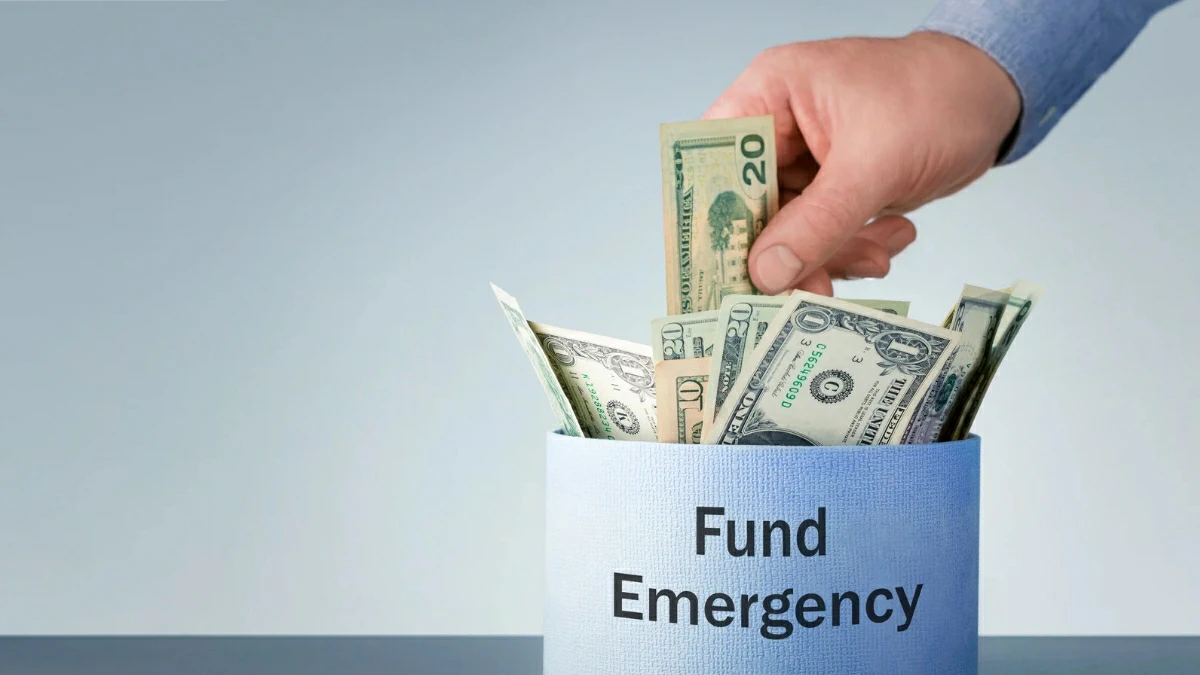
In today’s unpredictable world, financial stability often depends on more than just regular income. An emergency fund serves as a vital safety net that can help you navigate unforeseen expenses without derailing your financial goals. Knowing what an emergency fund is and why it’s essential can empower you to build a resilient financial future.
This educational guide will explore the concept of an emergency fund, its importance, and practical steps to build one effectively.
Quick Navigations
What Is an Emergency Fund?
An emergency fund is a dedicated savings account set aside specifically for unexpected financial emergencies. It acts as a buffer during times of crisis, providing peace of mind and security. This fund is distinct from your regular savings or retirement accounts, focusing solely on urgent needs.
- Purpose: To cover unforeseen expenses such as medical emergencies, job loss, or urgent repairs.
- Liquidity: Funds should be easily accessible, typically in a liquid account like a savings account.
- Size: Generally recommended to hold enough for 3-6 months of living expenses.
- Avoiding debt: An emergency fund helps prevent reliance on credit cards or loans during crises.
- Growth over time: Regular contributions are necessary to build and maintain the fund.
Building an emergency fund requires discipline and planning but offers significant long-term benefits. It ensures that unexpected events don’t cause financial chaos or force you into high-interest debt.
Why Is an Emergency Fund Important?
Having an emergency fund is crucial for maintaining financial stability amid life’s uncertainties. It provides a safety net that can protect you from the negative impacts of unexpected events. Without this cushion, even minor crises can escalate into major financial setbacks.
- Financial security: Reduces stress by providing resources during emergencies.
- Prevents debt accumulation: Keeps you from borrowing money at high interest rates.
- Enhances resilience: Helps you recover faster from setbacks like job loss or medical emergencies.
- Maintains lifestyle stability: Ensures you can meet essential expenses regardless of circumstances.
- Promotes peace of mind: Offers confidence knowing you’re prepared for surprises.
In essence, an emergency fund acts as a financial buffer that safeguards your future. It allows you to handle crises without sacrificing your long-term goals or daily necessities.
How to Build Your Emergency Fund
Starting and growing your emergency fund requires strategic planning and consistent effort. The process involves assessing your needs, setting realistic goals, and gradually saving over time.
- Determine your target amount: Calculate 3-6 months’ worth of living expenses based on your lifestyle.
- Set a monthly savings goal: Decide how much to save each month to reach your target within a reasonable timeframe.
- Open a separate account: Keep your emergency funds separate from everyday spending accounts.
- Automate savings: Set up automatic transfers to ensure consistent contributions.
- Cut unnecessary expenses: Identify areas where you can reduce spending temporarily.
- Increase savings with windfalls: Use bonuses, tax refunds, or gifts to boost your emergency fund.
- Monitor progress regularly: Adjust your savings plan as needed based on changing circumstances.
Building an emergency fund is not instant; it takes commitment but pays off by providing ongoing security. Consistency and discipline are key factors in reaching your savings goal.
Best Practices for Maintaining Your Emergency Fund
Once established, maintaining your emergency fund is equally important. An unused safety net might seem less urgent, but it remains critical for true financial resilience.
- Replenish after use: If you dip into the fund, prioritize replenishing it promptly.
- Keep it accessible yet separate: Ensure funds are easy to access but not mingled with regular spending money.
- Review periodically: Reassess the needed amount annually or after major life changes.
- Adjust contributions if needed: Increase savings during better financial periods or decrease if circumstances change.
- Avoid using for non-emergencies: Resist the temptation to dip into the fund for planned expenses or non-critical purchases.
Maintaining an emergency fund requires ongoing attention but ensures you’re always prepared for life’s surprises. Proper management keeps this safety net intact and ready when needed most.
The Role of Emergency Funds in Financial Planning
Integrating an emergency fund into broader financial planning strengthens overall stability. It complements other strategies like retirement savings, insurance policies, and investment plans.
- Foundation for other goals: Provides security before pursuing investments or large purchases.
- Risk management tool: Acts as insurance against unforeseen events impacting income or assets.
- Supports disciplined saving habits: Encourages consistent contribution habits across finances.
- Reduces stress during downturns: Lessens anxiety during economic or personal hardships.
A well-established emergency fund creates a solid foundation that supports sustainable financial growth. It acts as a cornerstone in comprehensive wealth management strategies by reducing vulnerability to unpredictable shocks.
Final Thoughts
Creating and maintaining an emergency fund is one of the most responsible steps toward achieving financial independence. While it may seem daunting initially, starting small can lead to substantial security over time. Prioritize setting aside even modest amounts regularly; consistency matters more than size initially.
By understanding what an emergency fund is and why it’s vital, you empower yourself with the tools needed for resilient finances. Remember that life’s uncertainties are inevitable—being prepared makes all the difference in managing them effectively.
FAQs About Emergency Funds
How much should I ideally save in my emergency fund?
Aim for covering 3 to 6 months of essential living expenses based on your household costs and job stability.
Where should I keep my emergency fund?
Store it in a liquid, easily accessible account like a high-yield savings account separate from regular checking accounts.
Can I use my emergency fund for anything?
It should only be used for genuine emergencies such as medical issues, job loss, or urgent repairs—not for planned expenses or non-essential purchases.
How often should I review my emergency fund?
Review annually or whenever there’s a significant change in income, expenses, or life circumstances.
What if I find it hard to save enough quickly?
Start small with consistent monthly contributions; gradually increase deposits over time until reaching your target amount.