
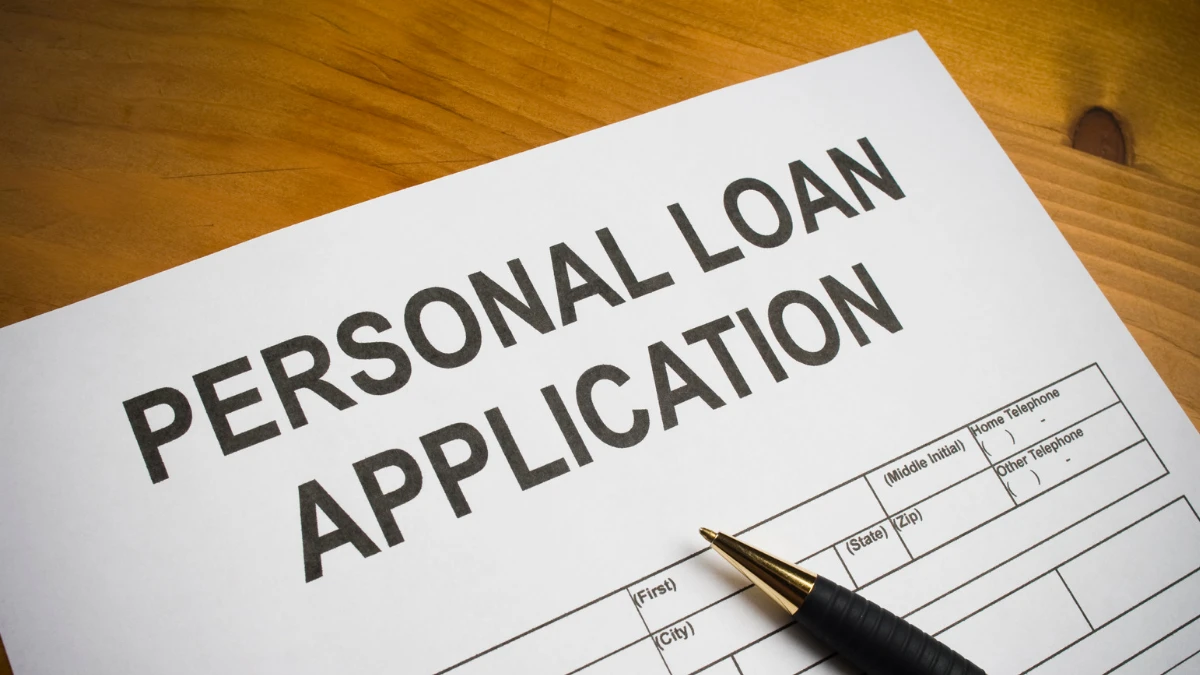
Navigating the world of personal loans can be daunting for first-time applicants. Understanding the application process is crucial to securing favorable terms and avoiding common pitfalls.
This guide aims to demystify each step, offering clarity on what to expect and how to prepare effectively. Whether you need funds for a major purchase, debt consolidation, or emergency expenses, knowing the process enhances your confidence and increases your chances of approval.
Quick Navigations
What Is a Personal Loan?
A personal loan is a type of unsecured loan that provides borrowers with a lump sum of money they agree to repay over time through fixed monthly payments.
- These loans are versatile, used for various purposes like medical bills, home improvements, or travel.
- They do not require collateral, unlike auto or mortgage loans.
- Interest rates depend on creditworthiness and lender policies.
- Borrowers often choose personal loans for quick access to funds.
- Repayment terms typically range from one to five years.
- The application process involves credit checks, income verification, and other financial assessments.
This understanding sets the foundation for navigating the application steps confidently. Knowing that personal loans are unsecured means your credit score plays a significant role in approval chances.
General Application Process Overview
Step 1: Assess Your Financial Situation
Before applying, evaluate your current financial health. This step ensures you choose a loan that fits your budget and needs.
- Review your credit report and score; higher scores usually mean better rates.
- Calculate your monthly income versus expenses to determine repayment capacity.
- Identify how much money you need; avoid borrowing more than necessary.
- Check existing debts and assess your debt-to-income ratio.
- Consider your employment stability—lenders favor consistent income sources.
- Understand your credit utilization rate; lower ratios improve approval odds.
- Set clear repayment goals aligned with your financial plans.
Thorough assessment helps prevent future payment struggles. It also equips you with essential information when communicating with lenders.
Step 2: Research Lenders and Loan Options
Knowing where to apply is vital for finding competitive rates and favorable terms. Different lenders cater to various borrower profiles.
- Banks typically offer lower interest rates but have stricter qualification criteria.
- Credit unions might provide more personalized service with competitive offers.
- Online lenders often have faster approval processes with flexible criteria.
- Peer-to-peer platforms connect borrowers directly with investors.
- Compare interest rates, fees, repayment terms, and customer reviews across options.
- Check if prequalification is available without affecting your credit score.
- Understand each lender’s eligibility requirements thoroughly.
Researching multiple options ensures you find the best fit financially. It also helps in understanding potential differences in approval processes.
Step 3: Gather Necessary Documentation
Having all required documents ready speeds up the application process. Preparation minimizes delays caused by missing or incomplete paperwork.
Depending on your location, common documents may include:
- Valid identification (driver’s license or passport).
- Proof of income (pay stubs, tax returns).
- Employment verification (letter from employer if needed).
- Residence proof (utility bills or lease agreements).
- Existing debt statements if applicable.
- Bank account statements demonstrating financial stability.
- Social Security number or equivalent identification details.
Being organized makes it easier when filling out applications online or in person. Lenders may request additional documents based on individual circumstances.
Step 4: Submit Your Application
Once you’ve completed research and gathered all necessary documentation, it’s time to apply. Many lenders now offer online applications for convenience.
- Fill out all fields accurately; double-check entered information before submitting.
- Attach digital copies of supporting documents as required.
- Provide truthful answers regarding employment status and financial details.
- Review loan terms carefully before agreeing to them.
- Some lenders may perform a soft credit check initially—this doesn’t impact your score unless you proceed with full approval.
Applying online is fast and often immediate; some lenders notify applicants within minutes or hours. For in-person applications at banks or credit unions, expect longer wait times but potentially more personalized guidance.
Step 5: Await Approval Decision
After submission, lenders review your application based on several criteria such as creditworthiness and ability to repay.
- Expect notification via email or phone within designated timeframes—ranging from minutes to several days depending on the lender.
During this period:
- Lenders may conduct additional verifications like calling employers or reviewing credit reports.
- They might request supplementary documents if needed.
- Some lenders provide preapproval options based on initial data.
Understanding this phase helps set realistic expectations about timelines. Patience during this stage reflects professionalism and preparedness on your part.
Final Steps: Acceptance & Fund Disbursement
Once approved:
- Review the loan agreement thoroughly.
- Confirm all terms—interest rate, repayment schedule, fees.
- Sign electronically or physically as instructed.
After acceptance:
- Funds are disbursed according to lender policies—direct deposit into your bank account is common.
- Funds are usually available within one business day after signing.
Being attentive during this stage ensures understanding of obligations moving forward. Properly managing received funds helps fulfill repayment commitments smoothly.
How To Improve Your Chances Of Approval
Improving approval prospects begins long before applying:
- Maintaining good credit habits plays a vital role in qualifying favorably for personal loans.
- Paying bills on time consistently boosts credit scores over time.
- Reducing outstanding debts decreases debt-to-income ratios which lenders view positively.
- Ensuring stable employment history reassures lenders about repayment ability.
- Correctly filling out applications truthfully avoids rejection due to discrepancies.
- Choosing optimal loan amounts aligned with income levels prevents overextension that could jeopardize timely repayments.
Proactively managing finances creates a stronger profile overall — enhancing chances not just once but across multiple lending opportunities. Remember that patience pays off; sometimes waiting until credit improves yields better loan conditions later on.
Key Factors That Affect Personal Loan Approval
Approval depends on several critical factors evaluated by lenders:
- Credit Score – Higher scores increase trustworthiness perception leading to better interest rates
- Income Level – Steady income demonstrates ability to meet monthly payments
- Debt-to-Income Ratio – Lower ratios indicate manageable debt levels relative to earnings
- Employment Stability – Long-term employment history reassures lenders
- Existing Debts – High levels may hinder approval due to perceived risk
- Collateral (if applicable) – Though personal loans are unsecured generally
- Previous Credit History – Timely payments build positive reputation
Understanding these factors helps applicants address weaknesses proactively before applying.
Common Mistakes To Avoid During The Application Process
Avoiding pitfalls ensures smoother approval:
- Providing inaccurate information intentionally or unintentionally
- Applying multiple times within short periods causing multiple hard inquiries
- Overestimating borrowing needs leading to unaffordable repayments
- Neglecting reviewing terms before signing agreements
- Missing deadlines for document submission
Being careful throughout minimizes rejection risks while fostering credibility with lenders.
The Path Forward After Applying
Once approved:
- Plan repayment schedules meticulously
- Track payment deadlines diligently
- Communicate proactively with your lender if issues arise
- Consider early repayment options if possible
- Maintain good financial habits post-loan
Managing your new debt responsibly builds trustworthiness—a benefit beyond just securing funds today but establishing positive borrowing behavior long-term.
Frequently Asked Questions
- How long does it take to get approved for a personal loan?
Approval times vary but typically range from a few minutes online up to several days depending on lender procedures. - What factors do lenders prioritize most?
Credit score, income stability, debt-to-income ratio, and employment history are primary considerations influencing approval likelihood. - Can I get a personal loan with bad credit?
Yes; however, interest rates may be higher and approvals less certain compared to those with excellent credit scores. - Are there any fees associated with applying?
Some lenders charge origination fees or processing fees; always review fee structures before proceeding. - What happens if I default on my personal loan?
Defaulting can damage your credit score severely and may lead to legal actions or collection efforts by the lender.