
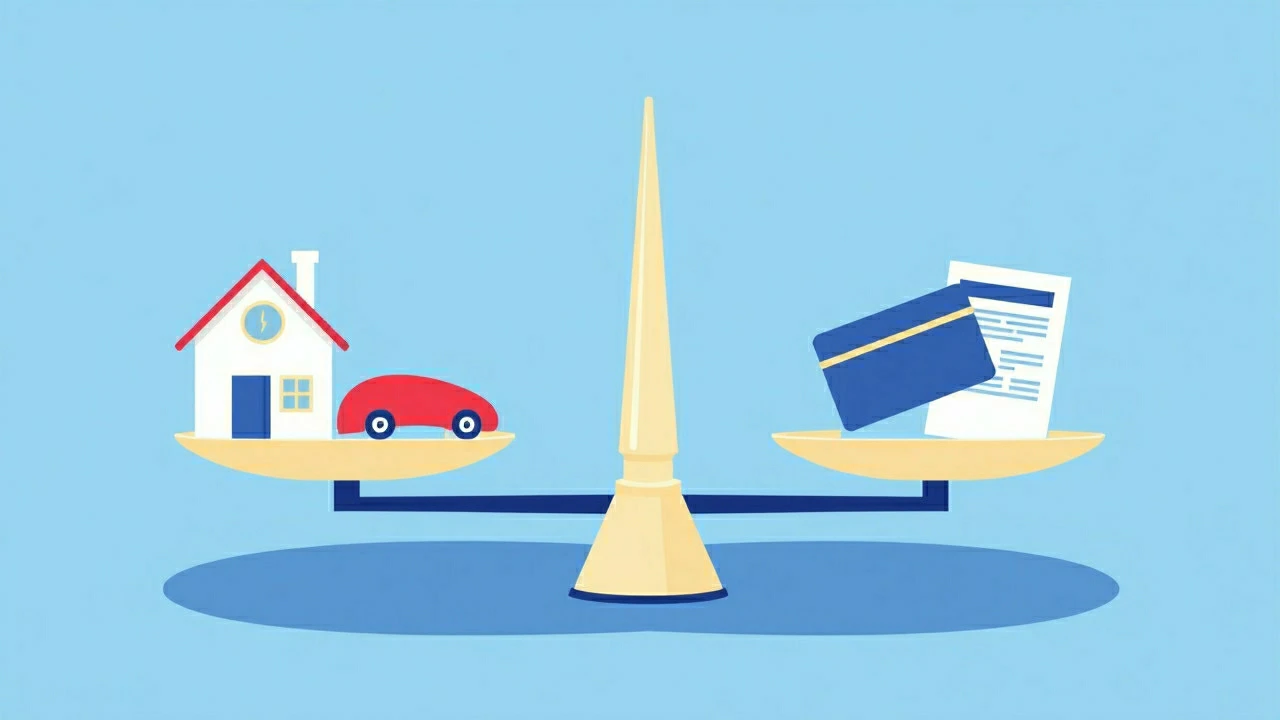
When considering borrowing money, understanding the fundamental differences between secured and unsecured loans is crucial. These two types of loans serve different financial needs and come with distinct advantages and disadvantages. Making an informed choice depends on your financial situation, creditworthiness, and specific borrowing goals.
In this blog post, we will explore what separates secured from unsecured loans, delve into their respective pros and cons, and help you determine which option aligns best with your circumstances.
Quick Navigations
What Is a Secured Loan?
A secured loan is a type of borrowing that requires collateral—an asset pledged by the borrower to secure the loan. This collateral acts as a safety net for lenders, reducing their risk if the borrower defaults on payments.
Examples of Secured Loans:
- Mortgage loans used to purchase real estate
- Auto loans for vehicle financing
- Secured personal loans backed by savings accounts or certificates of deposit (CDs)
- Home equity lines of credit (HELOC)
What Is an Unsecured Loan?
An unsecured loan does not require any collateral—lenders provide these based solely on the borrower’s creditworthiness and financial history. Since no assets are pledged as security, lenders rely heavily on credit scores and income verification during approval processes.
Examples of Unsecured Loans:
- Personal loans from banks or online lenders
- Credit cards with revolving balances
- Student loans
- Small business startup funding
While unsecured loans offer flexibility without risking physical assets, they often come with stricter qualification criteria and higher interest rates.
Key Differences Between Secured and Unsecured Loans
Understanding the primary distinctions helps borrowers evaluate which type suits their needs better:
| Category | Secured Loans | Unsecured Loans |
|---|---|---|
| Collateral Requirement | Requires collateral such as property, vehicles, or savings. | No collateral required. |
| Interest Rates | Usually lower due to reduced lender risk. | Typically higher because lenders assume more risk. |
| Approval Process | More lenient; easier to qualify if you have assets. | Stricter; relies heavily on credit score and financial history. |
| Risk Level | Default may result in loss of the pledged asset. | Default damages credit score but does not directly seize assets. |
| Loan Amounts | Allows larger borrowing limits. | Offers smaller borrowing limits. |
| Application Time | Can be slower due to collateral verification. | Faster processing with fewer requirements. |
| Purpose Suitability | Best for major purchases like homes, cars, or large investments. | Ideal for smaller expenses, emergencies, or short-term needs. |
Advantages of Secured Loans
Secured loans present several notable benefits that make them attractive options for many borrowers:
- Lower Interest Rates: Because they are backed by collateral, lenders offer reduced rates that translate into lower monthly payments over the loan term.
- Higher Borrowing Limits: Collateral enables lenders to approve larger amounts than unsecured options typically permit.
- Better Approval Chances: Even borrowers with less-than-perfect credit might qualify due to reduced lender risk.
- Longer Repayment Terms: These often come with flexible schedules that can extend over several years.
- Potential Tax Benefits: Certain secured loan interests (like mortgage interest) may be tax-deductible under specific circumstances.
Despite these advantages, it’s essential to consider that default could mean losing valuable assets such as your home or vehicle—a significant downside for some borrowers.
Disadvantages of Secured Loans
While offering numerous benefits, secured loans also come with drawbacks:
- Risk of Asset Loss: Failure to repay can lead to foreclosure or repossession of pledged assets.
- Longer Application Process: The need for asset appraisal and documentation can extend approval times.
- Asset Ties Limit Flexibility: Pledged collateral restricts your ability to use those assets elsewhere until the loan is repaid.
- Impact on Credit Score upon Default: Losing collateral impacts overall financial standing.
- Legal Procedures in Case of Default: Seizing assets involves legal processes that might be lengthy and costly.
In essence, while secure borrowing offers affordability and access for significant purchases, it demands responsible management given the inherent risks involved.
Advantages of Unsecured Loans
Unsecured lending provides flexibility and convenience that appeal especially during emergencies:
- No Collateral Required: Borrowers aren’t risking valuable assets when taking out a loan.
- Faster Processing Time: Reduced paperwork means quicker approvals—sometimes within hours or days.
- Greater Accessibility: Even those without substantial assets can qualify based on good credit scores.
- Flexible Use Cases: Funds can be used for various purposes—debt consolidation, education expenses, travel—and not tied down by asset restrictions.
- Simplified Application Procedures: Less documentation simplifies the process overall.
Although these features are beneficial, they come with higher costs because they pose greater risks to lenders.
Disadvantages of Unsecured Loans
Despite their convenience, unsecured options have notable limitations:
- Higher Interest Rates: The absence of collateral results in elevated borrowing costs over time.
- Lower Borrowing Limits: Typically restricted compared to secured lending due to perceived higher risk.
- Stricter Qualification Criteria: Good-to-excellent credit scores are often mandatory for favorable terms.
- Shorter Repayment Periods: Many unsecured loans have fixed terms demanding quicker repayment cycles.
- Limited Availability During Financial Struggles: Poor credit histories may prevent access altogether.
Unsecured lending offers swift access but requires diligent management due to its costliness and stricter eligibility standards.
Which Type Is Better For You?
Choosing between secured and unsecured loans depends largely on individual circumstances:
- If you possess valuable assets you’re willing to pledge as security—and need large sums at lower interest rates—securing a secured loan could be advantageous.
- Conversely, if you prefer quick access without risking possessions—and plan smaller borrowings—unsecured options may suit you better.
It’s important to always assess whether you can comfortably meet repayment obligations before committing either way—considering factors like interest costs, potential asset loss (for secured), and impact on your overall financial stability.
FAQs (Frequently Asked Questions)
As part of understanding these two lending options comprehensively, here are some common questions answered:
Q1: Can I switch from an unsecured loan to a secured one later?
A1: Generally, yes. You may refinance your existing debt into a secured loan by offering collateral such as property or savings accounts once you qualify under lender criteria. This move could reduce your interest rate but increases asset exposure risk.
Q2: Which type offers better chances for approval?
A2: It depends on your credit profile; generally speaking, secured loans may be easier if you possess valuable assets since they serve as guarantees. However, excellent credit scores enhance approval odds across both types.
Q3: Are there legal protections unique to each?
A3: Secured lenders have rights over pledged assets upon default; unsecured lenders primarily rely on contractual agreements impacting your credit score rather than physical assets.
Q4: How does default impact my financial health?
A4: Defaulting on secured debt can lead directly to asset seizure; missing payments on unsecured debt damages your credit rating but does not result in immediate asset loss unless collection actions escalate significantly.
Q5: What should I consider before choosing between them?
A5: Evaluate whether you’re comfortable risking assets against potentially lower costs offered by secured options or prefer avoiding asset pledge despite paying higher interest fees in unsecured borrowing situations.
Conclusion
Understanding the nuanced differences between secured versus unsecured loans empowers you as a borrower when making critical financial decisions today—and in the future. Both types serve specific needs effectively but come with inherent trade-offs requiring thoughtful consideration based on your individual circumstances.
Whether prioritizing affordability through secured options or seeking flexibility via unsecured lending—your choice should align with both short-term needs and long-term financial stability. Proper knowledge ensures responsible borrowing while minimizing risks associated with debt.