
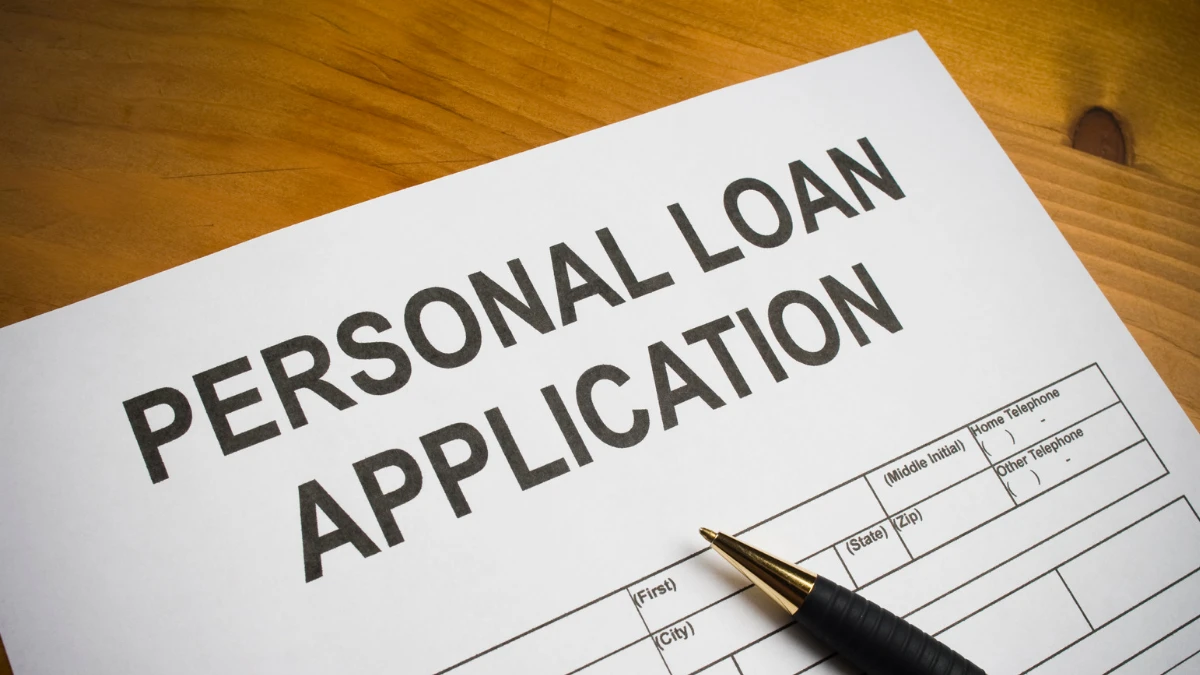
Securing a personal loan in Nigeria can be a straightforward process when you understand the essential steps involved. Whether you need funds for emergencies, business expansion, or personal projects, knowing how to navigate the application process increases your chances of approval and ensures a smooth experience.
This guide provides a detailed, step-by-step approach to applying for a personal loan in Nigeria, tailored to help you succeed.
Quick Navigations
Understanding Personal Loans in Nigeria
Before diving into the application process, it’s crucial to grasp what personal loans entail in Nigeria. Personal loans are unsecured loans offered by banks, microfinance institutions, and online lenders often without collateral. They are typically used for various purposes such as medical bills, education, or debt consolidation.
- Personal loans usually have higher interest rates than secured loans.
- Repayment periods vary, from a few months to several years.
- Borrowers need to meet specific creditworthiness criteria.
- Application processes differ slightly depending on the lender.
- Documentation requirements can range from minimal to extensive.
- Timely repayment helps build or improve credit scores.
- Comparing different lenders ensures better terms and conditions.
Understanding these fundamentals helps set realistic expectations and prepares you for the subsequent application steps.
Step-By-Step Guide To Get A Personal Loan In Nigeria
- Researching Suitable Lenders in Nigeria
- Gathering Required Documentation
- Checking Your Eligibility Criteria
- Choosing the Right Loan Amount and Repayment Term
- Submitting Your Application Correctly
- Awaiting Approval and Clarification Process
- Finalizing Loan Agreement & Disbursement
Researching Suitable Lenders in Nigeria
Researching reputable lenders is the foundational step before applying for a personal loan. Nigeria has numerous financial institutions offering various loan products with differing terms.
Examples of banks offering personal loans in Nigeria are: Access Bank, GTBank, First Bank, and Fidelity Bank, while fintech lenders may include Carbon, FairMoney, Okash, Branch, and LAPO Microfinance Bank.
- Start by identifying licensed banks and microfinance banks regulated by the Central Bank of Nigeria (CBN).
- Explore online lending platforms that offer quick approval processes.
- Read customer reviews and testimonials for insights into lender reliability.
- Compare interest rates, processing fees, repayment terms, and eligibility criteria.
- Check if lenders provide flexible repayment options suitable for your income cycle.
- Consider lenders with transparent fee structures to avoid hidden charges.
Investing time in research guarantees you select a trustworthy lender that aligns with your financial needs. This reduces the risk of falling victim to scams or unfavorable loan terms.
Checking Your Eligibility Criteria
Once you’ve identified potential lenders, the next step involves verifying your eligibility. Each lender sets specific criteria based on their risk assessment models.
- Confirm age requirements: Most lenders prefer applicants between 21 and 65 years old.
- Assess income thresholds: Proof of steady income is often mandatory.
- Review employment status: Many lenders favor employed individuals or those with verifiable sources of income.
- Check credit history: Good credit standing improves approval chances.
- Evaluate your debt-to-income ratio: Lower ratios enhance eligibility prospects.
Understanding these criteria allows you to prepare adequately and increases your chances of successful application approval.
Gathering Required Documentation
Proper documentation is vital when applying for a personal loan in Nigeria. It substantiates your claims regarding income, identity, and residence.
- Valid means of identification: National Identity Card (NIN slip or card), International Passport, Driver’s License, or Permanent Voter’s Card.
- Bank Verification Number (BVN): Mandatory for identity verification and credit history checks.
- Proof of income or employment: Recent payslips, employment letter, or employer confirmation showing ability to repay.
- Bank statements: Usually the last 3 to 6 months, showing regular income or salary inflows.
- Employer salary domiciliation confirmation: Required mainly by traditional banks for salary based personal loans.
- Proof of residential address: Recent utility bill or accepted address verification document.
- Passport photograph: Often required for physical or in branch processing.
- Guarantor details: Guarantor valid ID and basic income verification (only if required by the lender).
Organizing these documents beforehand expedites the application process and demonstrates professionalism. Incomplete submissions can lead to delays or rejection.
Choosing the Right Loan Amount and Repayment Term
Deciding on an appropriate loan amount and repayment duration is critical before submitting your application. These choices influence your monthly installments and overall financial stability.
- Calculate your actual funding needs precisely; avoid over-borrowing which could strain finances later.
- Consider your repayment capacity based on current income streams and expenses.
- Select a repayment term that balances manageable installments with reasonable interest costs.
- Longer terms reduce monthly payments but increase total interest paid over time.
- Shorter terms may have higher monthly obligations but less overall interest expense.
Careful planning here helps prevent payment difficulties post-disbursement. Your choice should align with your financial goals while remaining sustainable.
Submitting Your Application Correctly
Applying correctly is vital for acceptance. Follow each step meticulously to ensure all necessary details are provided accurately.
- Complete the application form thoroughly without omissions or errors.
- Attach all required documents as per lender instructions, scan copies are common for online applications.
- Double-check entries like contact information and bank details for accuracy.
- Submit via preferred channels; online portal, bank branch visit, or mobile app based on lender options.
A well-prepared submission demonstrates seriousness and professionalism. It also minimizes back-and-forth communication that could delay processing times.
Awaiting Approval and Clarification Process
After submission, patience is essential during the review phase. Lenders assess your eligibility through various checks before approval.
- The review process can take from a few hours up to several days depending on the lender’s workload and method of application.
- You may receive calls or emails requesting additional information or clarification about submitted documents.
- Some lenders conduct credit checks through bureaus like CRC Credit Bureau Nigeria.
Stay responsive during this phase by promptly providing any requested clarifications. Clear communication facilitates faster approval decisions.
Finalizing Loan Agreement & Disbursement
Once approved, you’ll proceed to sign the agreement document before receiving funds. This step confirms your understanding of all loan conditions.
- Carefully review all terms including interest rate, repayment schedule, fees, penalties for late payments and prepayment options.
Signing electronically or physically signifies consent. Ensure every detail aligns with what was initially agreed upon. After signing:
- Funds are disbursed directly into your bank account within stipulated timelines
- Keep copies of all signed documents for future reference
- Confirm receipt of funds immediately
This final step completes the legal obligation between borrower and lender while enabling access to funds swiftly when needed.
Managing Your Personal Loan Responsibly
Post-disbursement management ensures you benefit fully from your borrowing experience. Proper handling minimizes negative impacts on your credit profile.
- Make timely repayments according to agreed schedules
- Avoid missing payments, as late payments attract penalties
- Use funds prudently aligned with original purpose
- Communicate proactively if facing repayment challenges
- Keep records of all transactions related to loan payments
- Regularly monitor your credit report
Responsible management preserves creditworthiness and paves way for future financial opportunities while reducing debt-related stress.
Staying Compliant With Nigerian Lending Regulations
Adhering to legal guidelines protects you from potential frauds or scams prevalent in some informal lending schemes.
- Always borrow from licensed institutions registered with CBN
- Avoid unregulated lenders demanding upfront fees without proper documentation
- Be wary of promises that seem too good to be true
- Understand contractual obligations before signing agreements
- Report suspicious lending activities to authorities
Compliance not only secures your investments but also promotes transparency within Nigeria’s financial ecosystem.
How Long Does It Take To Get Approved?
Approval times vary based on several factors such as lender type and completeness of application materials:
- Online platforms often approve within 24–48 hours. Some fintech lenders can approve within few minutes, usually under 5 minutes or more.
- Traditional banks may take 3–7 business days due to manual reviews
- Speed depends on promptness in submitting correct documents
- High-volume periods might extend processing times
- Pre-approved applicants generally experience quicker approvals
Patience combined with thorough preparation enhances your chances of quick approval cycles.
Tips for Increasing Your Chances of Approval
To boost likelihoods of securing a personal loan in Nigeria:
- Maintain a good credit score by paying existing debts promptly
- Provide complete and accurate documentation upfront
- Demonstrate stable employment or consistent income sources
- Borrow within affordable limits based on income capacity
- Establish relationships with trusted lenders over time
These practices build credibility with lenders making approval more attainable over time.
Tips For Making Repayments Seamlessly
Once approved and funded, focus shifts toward responsible repayment management:
- Set reminders for due dates using digital calendars
- Opt for automated payments if available
- Prioritize paying installments before deadlines
- Communicate proactively if facing difficulties meeting obligations
Good repayment habits not only maintain good credit scores but also foster trustworthiness with future lenders.
FAQs (Frequently Asked Questions)
What is a personal loan?
A personal loan is an unsecured loan offered by banks, microfinance institutions, or online lenders without requiring collateral, typically used for emergencies, education, business, or debt consolidation.
How do I apply for a personal loan in Nigeria?
You start by researching licensed lenders, checking your eligibility, gathering required documents, selecting the loan amount and repayment term, submitting the application, and awaiting approval.
What documents are required for a personal loan?
Commonly required documents include a valid ID (NIN, passport, voter’s card), BVN, proof of income, bank statements, proof of residence, passport photo, and guarantor details if needed.
How long does it take to get approved?
Approval can range from a few minutes for fintech lenders to 3–7 business days for traditional banks, depending on the lender type, completeness of documents, and verification processes.
How can I increase my chances of approval?
Maintain a good credit score, provide accurate and complete documentation, demonstrate stable income, borrow within affordable limits, and build relationships with trusted lenders.
The Bottom Line
Applying for a personal loan in Nigeria involves careful preparation at each stage—from researching suitable lenders to managing repayments responsibly. Being informed about each step empowers you to make sound financial decisions aligned with your goals.
By understanding eligibility requirements, gathering comprehensive documentation, choosing appropriate loan amounts, submitting accurate applications promptly, and maintaining disciplined repayment habits, you position yourself for successful borrowing experiences.
Remember always to borrow responsibly within your means while adhering strictly to legal regulations governing lending activities in Nigeria. A strategic approach combined with diligence ensures that accessing funds becomes an asset rather than a burden—helping you achieve your financial objectives confidently.