
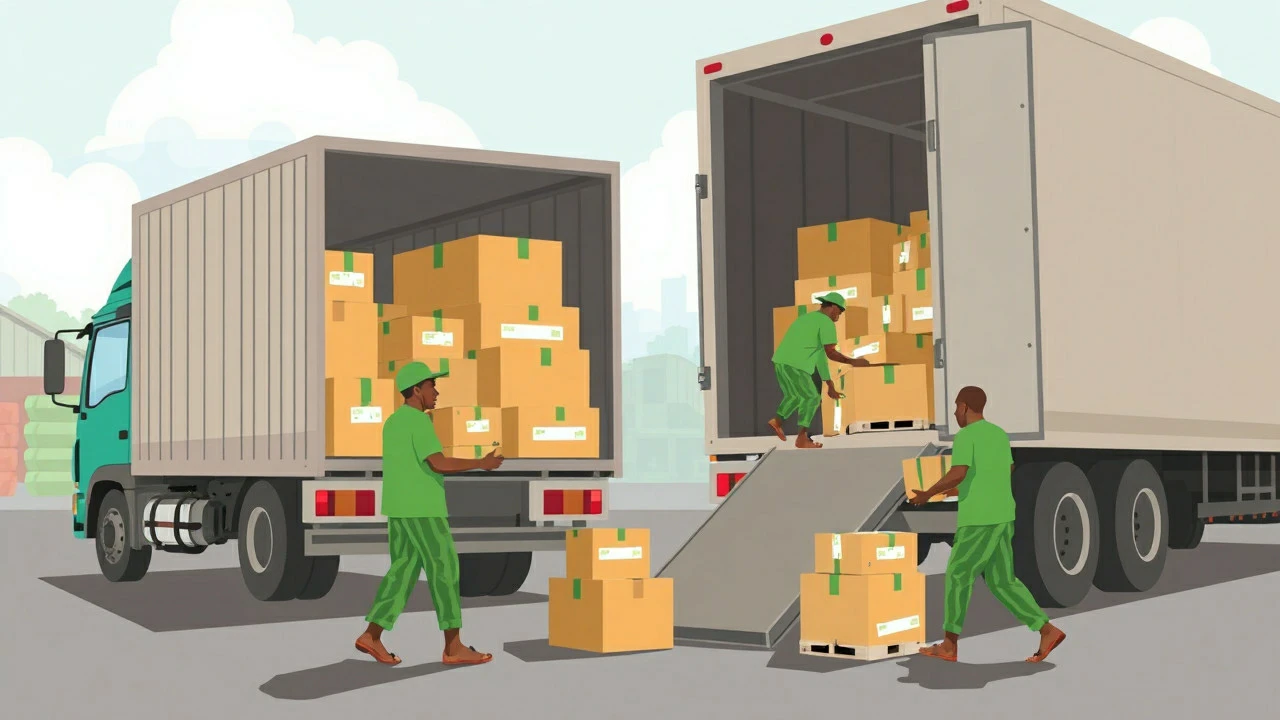
Starting a dropshipping business in Nigeria is one of the easiest ways for beginners to enter e-commerce without spending much money upfront.
Many new entrepreneurs are drawn to dropshipping because you don’t need to buy products in advance or handle inventory. You simply list products online, forward orders to a supplier, and they ship directly to your customer.
In this guide, we’ll break down how dropshipping works and the exact steps you need to start your own profitable dropshipping business in Nigeria.
Quick Navigations
What Is Dropshipping?
Dropshipping is a type of online retail business where you sell products without keeping any physical inventory. Instead of buying items in bulk or storing them in a warehouse, you simply list products on your online store and only purchase them from a supplier when a customer places an order. The supplier then ships the item directly to your buyer.
This model removes many of the usual barriers to starting a business. You don’t need a storage space, you don’t handle packaging, and you don’t worry about delivery logistics. Your main focus becomes choosing the right products, attracting customers, and managing your online storefront.
To make it clearer, here are the main characteristics of dropshipping:
- No upfront inventory costs
- The supplier handles packaging and shipping
- You control the storefront and customer relationship
- Low entry barrier, but high competition
How Does Dropshipping Work?
Dropshipping works through a simple but well-coordinated process between you (the store owner), the customer, and the supplier. You don’t hold any stock; instead, your job is to showcase products, attract customers, and forward orders to your supplier. The supplier then handles the packaging and delivery directly to the buyer.
This model is straightforward, but understanding how each step connects is important because it affects your profit, delivery time, and overall customer satisfaction.
Here’s how the dropshipping process works in practice:
- A customer places an order on your store
- You forward the order to your supplier
- The supplier prepares and ships the product
- You keep the profit margin
- You handle customer service
Steps To Start Dropshipping Business In Nigeria
- Confirm if Dropshipping Is the Right Business for You
- Analyze Competing Stores
- Pick a Profitable Niche
- Choose Winning Products and Set Pricing
- Create Your Online Store
- Find a Reliable Supplier
- Choose Your Business Structure
- Organize Your Financial Setup
- Promote and Grow Your Dropshipping Brand
1. Confirm if Dropshipping Is the Right Business for You
Before diving into dropshipping, it’s important to understand whether this business model truly aligns with your goals, strengths, and expectations. Many beginners jump in because it sounds easy, but dropshipping requires patience, consistency, and smart decision-making. Taking time to confirm if it fits your personality and long-term vision can save you from unnecessary stress later.
Here are key things to consider when evaluating if dropshipping is the right business for you:
- Your willingness to learn continuously: Dropshipping is not a “set it and forget it” business. You must be ready to learn about product research, customer service, marketing strategies, and supplier management.
- Your comfort with delayed profits: Unlike traditional businesses, dropshipping doesn’t always produce instant income. It may take weeks or months to find the right products, attract steady buyers, and fine-tune your marketing.
- Your ability to handle customer service: Even though you don’t ship products yourself, you’re still the face of the business. Customers will contact you first if there’s a delay, product issue, or complaint.
- Your readiness to work through uncertainty: Dropshipping involves factors outside your control, like supplier mistakes, shipping delays, or product shortages.
- Your understanding of competition: Many people want to start dropshipping because it looks simple, which makes the industry competitive.
Once you know you’re prepared for the business model, you can move confidently to the next step: choosing a profitable niche.
2. Pick a Profitable Niche
Choosing the right niche is one of the most important decisions you’ll make as a beginner dropshipper. Your niche determines the types of products you sell, the audience you attract, and even how competitive your marketing costs will be. A well-selected niche makes it easier to find customers, build a brand, and stand out among thousands of online stores.
A profitable niche is not just about what’s trending—it’s about finding a space where customer interest, demand, and your ability to market the products all come together. Taking your time with this step can greatly increase your chances of long-term success.
Below are key factors to consider when picking a profitable niche:
- Strong and consistent demand: Choose a niche where people are actively searching for products all year round. Categories like beauty tools, fitness accessories, baby items, home gadgets, and tech add-ons tend to perform well in Nigeria.
- Low-to-medium competition: Some niches are so saturated that a beginner will find it hard to stand out. Instead of entering extremely popular markets head-on, look for sub-niches or specific segments with fewer competitors.
- Products with good profit margins: Dropshipping works best when your selling price is significantly higher than your cost price. Digital gadgets, home decor items, and premium beauty products often give room for higher margins.
- Products that solve real problems: A niche becomes easier to sell when the products offer practical solutions. Items that save time, reduce stress, improve comfort, or help someone feel better about themselves usually convert well.
- Products with emotional appeal: Some of the best-selling niches tap into emotions—such as personal care, gifts, pets, or hobbies. Emotional-driven purchases often happen faster because customers connect deeply with the need.
Picking a profitable niche sets the direction for your dropshipping business. Once you find a niche that matches demand, profit, and competition balance, you’ll have a solid foundation to build your store and stand out in the Nigerian market.
3. Analyze Competing Stores
Before launching your dropshipping business, it’s important to understand who you’re competing with. Competitor analysis helps you discover what other stores are doing right, what they’re doing wrong, and how you can differentiate your brand.
This step prevents guesswork and gives you clear direction on pricing, product selection, marketing style, and overall customer experience.
Studying competitors is not about copying them. Instead, it’s about learning from their strengths while spotting gaps you can fill.
Here are the essential things to look for when analyzing competing stores:
- Product selection and presentation
- Pricing strategy and profit margins
- Marketing style and promotional methods
- Social media presence and engagement
Product selection and presentation
Observe the types of products your competitors sell, how they categorize them, and how they present them online. Check details like product descriptions, images, and selling angles.
This helps you understand which products are trending and how to position your own catalog in a way that feels fresh and appealing.
Pricing strategy and profit margins
Competitors can give you clues about the ideal price range customers expect in your niche. Look at their product pricing and compare it with supplier cost.
If most stores sell an item for ₦15,000 and suppliers offer it for ₦6,000, you know the market supports that margin. This prevents underpricing or overpricing your products.
Marketing style and promotional methods
Some stores rely heavily on social media ads, while others focus on influencer marketing or content-driven promotions. Pay attention to the kind of marketing creatives they use, their ad tone, and what offers they highlight.
This helps you understand what captures attention in your niche and how you can create a marketing style that stands out.
Social media presence and engagement
Check how active your competitors are on platforms like Instagram, TikTok, Facebook, and Twitter. Observe how many likes, comments, and shares their posts receive. High engagement levels can reveal strong demand for a particular niche. It also helps you understand what type of content resonates with your target audience.
4. Find a Reliable Supplier
Your dropshipping supplier is one of the most important parts of your business. Since you don’t handle the products yourself, your supplier controls the quality, packaging, and delivery experience your customers receive. This makes it essential to work with suppliers you can trust, especially when selling to Nigerian customers who already deal with frequent delivery delays and product inconsistencies.
Choosing the right supplier helps you avoid issues like fake products, shipping errors, or slow delivery times. A good supplier becomes your silent business partner, supporting you behind the scenes while your brand faces the customer.
Below are key things to consider when finding a reliable dropshipping supplier:
- Product quality you can trust: A supplier must offer products that match the descriptions, photos, and expectations you set for customers.
- Fast and predictable shipping: Many Nigerian customers will not wait 30–40 days for delivery. Look for suppliers that offer faster shipping.
- Clear communication and support: A reliable supplier should respond quickly to your questions, update you on stock levels, and handle order issues professionally.
- Stable stock levels: Some suppliers constantly run out of stock, forcing you to cancel customer orders. A reliable supplier should maintain steady inventory and notify you early if items are selling out.
- Positive reviews and high ratings: Always check what other buyers say about the supplier. High ratings, strong reviews, and many repeat orders are signs that the supplier is trustworthy.
Remember, When your supplier delivers consistently, your customers stay happy—and your store grows faster.
5. Choose Winning Products and Set Pricing
Choosing the right products determine whether your dropshipping business succeeds or fails. Even if you have a beautiful store and good marketing, promoting the wrong products will make it difficult to get sales. Winning products are items that solve real problems, attract attention quickly, and have enough profit margins to support your business growth.
Pricing also plays an important role. If your prices are too high, customers may run to competitors. But if your prices are too low, your profit becomes too small to cover marketing and operational costs.
Here are some important things to consider when choosing winning products and setting the right prices:
- Solve real problems, not just “look nice”: Products that solve specific challenges tend to perform better because customers instantly see the value.
- Check product demand and market trends: A product may look great, but if people aren’t searching for it, you won’t make consistent sales.
- Avoid overly saturated products: When a product becomes too saturated, the competition drives prices down and makes it harder for beginners.
- Test multiple products instead of relying on one: Successful dropshippers usually test 3–5 products at the beginning to identify which one responds best to their audience. Testing helps you avoid wasting time on a product that won’t convert.
- Use psychological pricing to boost conversions: Pricing strategies like ₦9,999 instead of ₦10,000 or offering bundle discounts can make prices feel more attractive.
Note: When you combine high-demand items with smart pricing, your store becomes more competitive, customers trust your value, and your chances of making consistent sales increase.
6. Create Your Online Store
Once you’ve identified your products and suppliers, the next step is to build an online store where customers can easily browse, trust, and buy from you. Your store is the heart of your dropshipping business, so it must look professional, load fast, and clearly communicate your value.
You don’t need coding skills to create a store. Platforms like Shopify, WooCommerce, and Flutterwave Store make it simple for beginners in Nigeria to set up and manage everything from product listings to payments.
Here’s how to build a store that attracts and converts buyers:
1. Choose a beginner-friendly platform
Pick an eCommerce platform that is easy to use, mobile-friendly, and optimized for sales. For instance, Shopify offers drag-and-drop templates, secure checkout, and hundreds of apps that simplify marketing, shipping, and customer service.
WooCommerce is great if you already use WordPress and want more control over customization. The key is choosing a platform you can manage comfortably without stress.
2. Select a clean, conversion-focused theme
Your theme determines what customers see first. Pick a design that loads quickly, uses clear fonts, and highlights your products without distractions. A good store layout guides buyers naturally—from product view to checkout—without confusing buttons or clutter.
3. Add clear product descriptions and photos
Since dropshipping customers can’t touch the product, your descriptions should answer every question they might have. Write in simple language, explain the benefits, and use high-quality images or supplier photos. Well-written descriptions reduce customer doubts and help increase conversions.
4. Set up secure and convenient payment methods
Nigerian buyers prefer familiar and reliable payment options. Integrate payment gateways like Paystack, Flutterwave, or Stripe if your audience is international. Offering multiple payment options reduces abandoned carts because customers naturally choose what feels safest and easiest.
5. Configure shipping settings and delivery expectations
Even though your supplier ships the products, you still need to clearly display delivery times and shipping fees. Nigerian consumers appreciate transparency—especially when delivery may take 10–15 days.
Set correct shipping zones, create shipping rules, and add a dedicated page explaining estimated delivery timelines to avoid misunderstandings.
6. Optimize for mobile shoppers
Most Nigerian online shoppers use smartphones, not laptops. Your store must look great and function smoothly on smaller screens. Test your website across different devices to ensure the menu, buttons, and checkout process are all easy to use. A mobile-friendly design directly increases your chances of making sales.
Keep in mind, Creating your online store is not just about putting products on a page. It’s about building a trustworthy, easy-to-navigate shopping experience that makes people feel confident buying from you. The better your store looks and functions, the more sales you will generate over time.
7. Choose Your Business Structure
Before you officially start selling, it’s important to decide how you want your dropshipping business to operate legally. Your business structure affects everything—from taxes and record-keeping to credibility and partnership opportunities. Getting this part right sets a strong foundation and helps you avoid future problems with compliance or unexpected legal issues.
In Nigeria, beginners often start informally, but formalizing your structure as you grow gives you more protection, trust, and stability.
Here are the common options to consider:
- Sole Proprietorship
- Partnership
- Limited Liability Company (LLC)
- Registering a Business Name
4. Sole Proprietorship
This is the easiest and most affordable structure for beginners. You operate under your own name or a business name you register with the CAC (Corporate Affairs Commission). It’s simple to set up and perfect when you’re just testing the market.
However, keep in mind that your personal assets and business assets are legally the same. This means if anything goes wrong, your personal finances can be affected. Still, it’s a practical starting point for many new dropshippers.
2. Partnership
If you’re starting the business with a friend, colleague, or investor, forming a partnership might make sense. It allows two or more people to share responsibilities, risks, and profits. Just ensure you have a written partnership agreement that clearly outlines roles, how profits will be shared, and what happens if someone wants to exit the business.
A partnership works best when both parties bring value—whether that’s money, marketing skills, or industry knowledge.
3. Limited Liability Company (LLC)
This is the most professional and secure option. Registering an LLC with the CAC separates your personal assets from your business assets. That means if the business runs into debt or legal issues, your personal savings and properties are protected.
An LLC also increases your credibility when dealing with suppliers, banks, and high-value customers. Even though it costs more to register, many serious dropshippers switch to this structure once their store starts growing.
4. Registering a Business Name
If you’re not ready for a full company structure, you can still register a business name with the CAC. This gives your brand an official identity customers can trust.
It also helps you open a business bank account, access payment gateways, and appear more professional online. Customers in Nigeria often prefer buying from brands that look established.
8. Organize Your Financial Setup
A successful dropshipping business isn’t built on good products alone—you also need a solid financial structure. Many beginners skip this step because it feels technical, but it’s actually one of the easiest ways to stay organized, track profits, and avoid unnecessary losses.
Below are the key areas you should set up early:
- Set Up a Reliable Payment Gateway: To receive payments from customers, especially when selling online, you need a secure and trusted payment processor. Options like Paystack, Flutterwave, and Moniepoint allow you to accept card payments, transfers, and even international payments.
- Create a Budget for Ads and Marketing: Dropshipping relies heavily on visibility, and visibility often comes from paid ads. This makes budgeting essential. Setting a monthly or weekly marketing budget helps you avoid overspending and gives you a clear picture of your customer acquisition cost.
- Track Your Cashflow and Profits: This involves monitoring how money moves in and out of your business. Tools like Wave, Zoho Books, or simple Excel sheets can help you track daily sales, marketing spend, product costs, refunds, and profit margins.
- Separate Tax Funds Early: Even though dropshipping doesn’t require complex taxation in Nigeria, it’s still wise to set aside a small percentage of your profits for tax obligations or annual business filings. Preparing early saves you from last-minute stress and helps you keep your business compliant with local regulations.
Once your money is properly managed, you can scale confidently without worrying about confusion or financial surprises.
9. Promote and Grow Your Dropshipping Brand
After setting up your store and organizing your finances, the next step is promoting your brand. This is where many Nigerian dropshippers either grow fast or struggle. Marketing is what gets eyes on your products, and consistent promotion is what brings in sales over time.
Brand promotion isn’t just about posting randomly on social media. It involves strategy, consistency, and understanding your audience. When you combine all three, you build a brand that people trust, remember, and return to.
Below are effective ways to promote and grow your dropshipping business:
- Build a Strong Social Media Presence
- Use Paid Advertising Wisely
- Leverage Influencer Marketing
- Build an Email and WhatsApp List
Build a Strong Social Media Presence
Platforms like Instagram, TikTok, and Facebook drive a huge percentage of online purchases in Nigeria. Posting product videos, customer reviews, behind-the-scenes content, and educational posts helps your brand stay visible.
Over time, people begin to associate your store with reliability and value, which increases your chances of consistent sales.
Use Paid Advertising Wisely
Paid ads help you reach customers faster, especially when launching new products. Facebook Ads and Instagram Ads are popular options because they allow you to target people based on interests, age, and location.
When used properly, ads can quickly increase store traffic and bring in your first orders. Starting with small budgets also lets you test what works before scaling.
Leverage Influencer Marketing
Influencers, even those with small followings, can help you promote your products to trusted audiences. Micro-influencers (1k–20k followers) often produce more authentic results because their communities are highly engaged.
Sending them free samples or setting up small paid campaigns can expose your brand to thousands of potential buyers who value their recommendations.
Build an Email and WhatsApp List
Many Nigerian customers prefer communication through WhatsApp and email. Collecting these contacts through pop-ups, discount offers, or after-purchase messages lets you build a community you can consistently market to.
Sending reminders, product updates, and exclusive offers keeps your brand top-of-mind and encourages repeat purchases.
Tips for Long-Term Dropshipping Success in Nigeria
Growing a profitable dropshipping business in Nigeria takes more than launching a store and adding products. The long-term success comes from consistency, smart planning, and making decisions that position you ahead of competitors.
The market will continue to evolve, and so will customer expectations. That’s why you need habits and strategies that help your business stay relevant and profitable.
Below are practical tips that will help you maintain and grow your dropshipping business over the long term:
1. Focus on excellent customer service
In a market where many stores disappear after a few months, offering reliable customer support immediately sets you apart. Responding quickly to inquiries, being transparent about shipping times, and resolving issues professionally builds trust.
2. Keep monitoring market trends
Products that sell today may lose demand tomorrow. Nigerian consumers move fast, especially when influenced by social media. Regularly tracking what people are searching for, watching competitors’ new arrivals, and researching fresh product ideas ensures your store remains relevant.
3. Work closely with your suppliers
A solid relationship with your supplier can save your business during challenging moments. Whether it’s negotiating faster shipping, fixing product quality issues, or asking for better rates, an open line of communication helps prevent unwanted surprises.
4. Invest in brand building, not just selling
A strong brand outperforms a basic online store every time. By developing a clear brand identity—your tone, design, values, and customer experience—you become more memorable. This helps you sell even when your prices are slightly higher because customers trust the brand behind the product, not just the product itself.
5. Analyze your data regularly
Your store’s analytics can reveal valuable insights about what products customers love, where your traffic comes from, and why certain pages convert better than others. Reviewing these metrics every month helps you make smarter decisions instead of guessing.
6. Diversify your marketing channels
Relying only on one traffic source—like Instagram or TikTok—can limit your growth. Algorithms change, accounts get restricted, and trends shift. Spreading your marketing across multiple platforms reduces risk and increases stability.
7. Reinvest profits wisely
Dropshipping becomes more profitable when you reinvest in the right areas. Improving your website design, testing new ads, upgrading product packaging, or exploring new product categories can all help your business grow.
FAQs (Frequently Asked Questions)
1. How much capital do I need to start a dropshipping business in Nigeria?
You can start dropshipping with very little capital—often between ₦20,000 to ₦100,000. Your major expenses are usually domain purchase, store setup, marketing, and sometimes sample orders. The beauty of dropshipping is that you don’t need to stock products or rent a physical shop.
2. Is dropshipping legal in Nigeria?
Yes, dropshipping is completely legal in Nigeria. You can operate as an individual or register your business with CAC for more credibility. Many Nigerian entrepreneurs already use models like Shopify, WooCommerce, and WhatsApp to run successful dropshipping stores.
3. How do I find reliable suppliers for dropshipping in Nigeria?
You can use international platforms like AliExpress, CJDropshipping, Zendrop, or local suppliers depending on your niche. Always check product reviews, shipping times, and supplier response speed. Communicating directly with suppliers also helps you avoid unreliable sellers.
4. How long does shipping take for dropshipping in Nigeria?
Shipping time depends on your supplier choice. International suppliers typically take 8–20 days depending on the option selected. Local suppliers, however, can deliver within 2–5 days. Manage customer expectations by clearly stating delivery timelines on your website.
5. Can I start dropshipping without a website?
Yes, you can start dropshipping using platforms like WhatsApp, Instagram, Facebook Marketplace, and Jiji. However, having a website gives you more credibility and makes it easier to automate orders, track sales, and scale your business professionally.
Conclusion
Starting a dropshipping business in Nigeria is a practical and profitable way for beginners to build an online income. The model requires low capital, offers flexibility, and gives you access to a global market. But true success goes beyond setting up a store—it comes from choosing the right niche, working with reliable suppliers, understanding your customers, and promoting your brand consistently.
When you stay committed to learning, testing new ideas, and improving your processes, your dropshipping business becomes more stable and predictable. With the right mindset and strategy, anyone in Nigeria can build a sustainable dropshipping brand that grows year after year.